
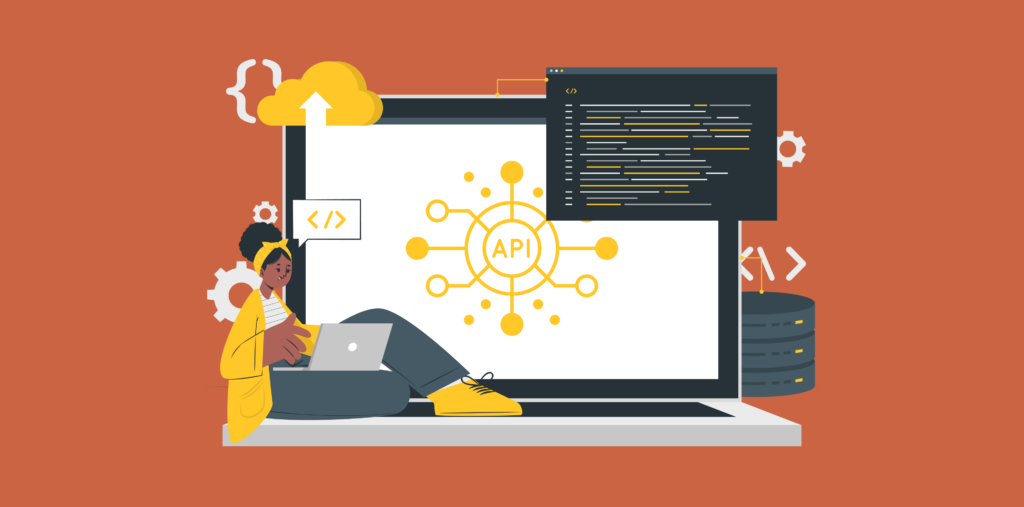
Enabling Automation and Efficiency

Software development enables businesses to automate a wide range of processes, from routine administrative tasks to complex operational workflows. By developing custom software solutions tailored to specific business needs, organizations can streamline operations, eliminate manual errors, and increase overall efficiency. Software-driven automation not only saves time but also reduces costs by optimizing resource utilization and ensuring consistent, error-free results.
Enhancing Customer Experiences
Software development empowers businesses to create seamless and personalized customer experiences. Through user experience (UX) design principles, businesses can develop intuitive and user-friendly interfaces that cater to the preferences and behaviors of their target audience. Furthermore, by leveraging data analytics and customer insights, software solutions can deliver personalized recommendations, tailored content, and efficient customer support, resulting in heightened customer satisfaction and loyalty.
Driving Innovation and Agility
Software development fuels innovation by providing businesses with the flexibility to experiment, iterate, and launch new digital products and services. Agile development methodologies, such as Scrum or Kanban, enable organizations to deliver software increments rapidly, gather user feedback, and adapt their solutions accordingly. This iterative approach promotes continuous innovation, empowers businesses to respond swiftly to market demands, and fosters a culture of learning and improvement within the organization.
Integration and Data Management
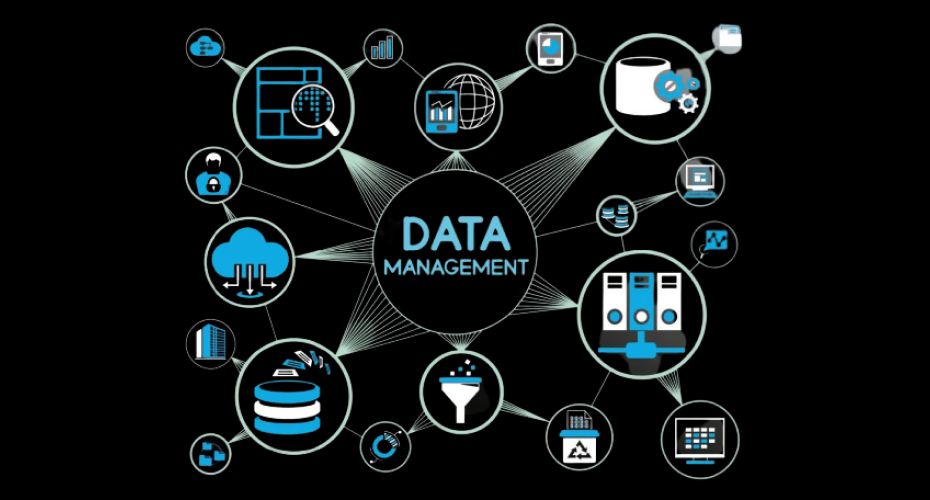
Software development plays a critical role in integrating diverse systems and managing data effectively. Through the development of robust APIs, software developers enable seamless communication and data exchange between disparate systems, such as customer relationship management (CRM), enterprise resource planning (ERP), and supply chain management (SCM) software. Effective data management, facilitated by software development, involves designing and implementing databases, data warehouses, or data lakes that centralize and consolidate data, ensuring its availability for analysis and decision-making purposes.
Security and Risk Management
In an era of increasing cyber threats, software development plays a crucial role in building secure digital systems. Software developers employ industry best practices in secure coding, encryption, and vulnerability testing to ensure the confidentiality, integrity, and availability of sensitive data. Additionally, software development enables businesses to implement multi-factor authentication, access controls, and audit trails to mitigate risks and ensure compliance with relevant regulations. Regular security updates and patches also keep software solutions resilient against emerging threats.
Scalability and Flexibility
Software development equips businesses with the ability to scale their digital infrastructure and adapt to evolving demands. By leveraging cloud computing technologies, businesses can dynamically allocate computing resources and scale their software solutions based on fluctuations in demand. Software developers adopt microservices architectures, containerization, and serverless computing to build scalable and flexible software systems that can handle increased workloads. This scalability allows businesses to capitalize on growth opportunities without being constrained by traditional hardware limitations.
Collaboration and Communication

Effective collaboration and communication are vital for successful digital transformation initiatives. Software development addresses this need by creating collaborative platforms, project management tools, and communication applications that enable seamless teamwork and information sharing. These software solutions facilitate real-time communication, document collaboration, and task management, regardless of geographical boundaries. Moreover, emerging technologies like virtual reality (VR) or augmented reality (AR) are increasingly integrated into collaboration software, enhancing remote collaboration experiences through immersive interactions and virtual meetings.
Legacy System Modernization
Software development plays a pivotal role in modernizing legacy systems, which often hinders digital transformation efforts. By refactoring or rebuilding outdated software components, businesses can unlock new functionalities, improve performance, and ensure compatibility with modern technologies. Software developers analyze existing systems, identify bottlenecks or inefficiencies, and redesign software architecture to align with current industry standards. Modernized systems can leverage the benefits of cloud computing, automation, and data analytics, leading to enhanced productivity, reduced maintenance costs, and improved system reliability.
Continuous Improvement and Iteration
Digital transformation is an ongoing journey, and software development plays a crucial role in driving continuous improvement. Through agile methodologies like Scrum or Kanban, businesses can adopt an iterative approach to software development. This allows for frequent releases and feedback loops, enabling businesses to gather insights from users and stakeholders, identify areas for improvement, and prioritize enhancements. By embracing a culture of continuous improvement, businesses can stay ahead of the curve, respond to changing market dynamics, and ensure that their software solutions remain relevant and valuable.
Data-Driven Decision-Making
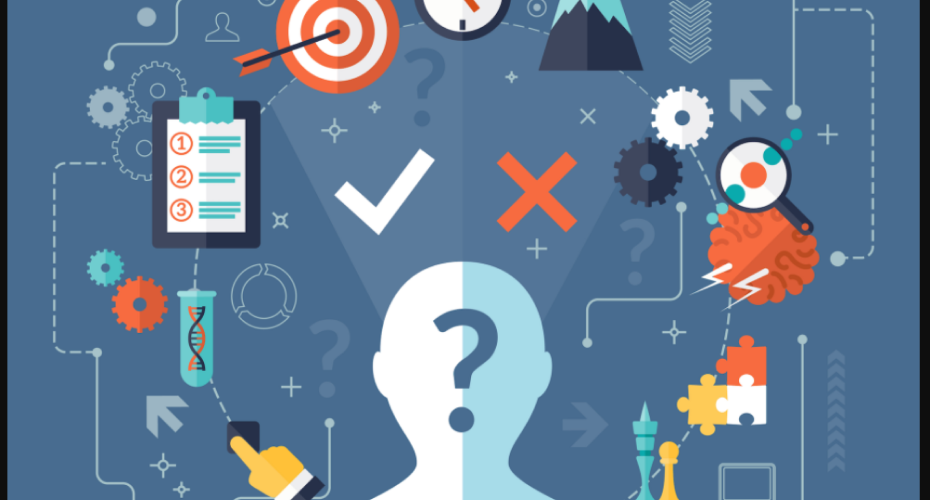
In the digital era, data is a valuable asset for businesses. Software development enables businesses to collect, analyze, and interpret vast amounts of data, facilitating data-driven decision-making. Through the integration of analytics tools and technologies, businesses can derive actionable insights from their data. Software developers design and implement data pipelines, automated reporting systems, and interactive dashboards, allowing stakeholders to access real-time information and make informed decisions. Data-driven decision-making empowers businesses to identify patterns, uncover trends, and gain a deeper understanding of their customers, market dynamics, and operational performance.
Streamlining Supply Chain and Logistics
The role of software development in streamlining the supply chain and logistics operations cannot be overstated. Businesses can leverage software solutions to automate and optimize various aspects of their supply chain, such as demand forecasting, inventory management, order processing, and logistics coordination. Software development enables businesses to integrate supply chain systems, monitor and track shipments, and enhance visibility across the entire supply chain network. By leveraging technologies like RFID (Radio Frequency Identification) and IoT, businesses can achieve real-time monitoring, reduce lead times, minimize stockouts, and improve overall supply chain efficiency.
Embracing Cloud Computing
Cloud computing has revolutionized how businesses approach their digital infrastructure. Software development enables businesses to embrace cloud computing models such as Infrastructure as a Service (IaaS), Platform as a Service (PaaS), or Software as a Service (SaaS). By migrating applications and data to the cloud, businesses can reduce their dependence on on-premises hardware, achieve cost savings, and gain the ability to scale their resources dynamically. Software developers play a crucial role in architecting cloud-native applications, leveraging containerization technologies like Docker or Kubernetes, and ensuring high availability, scalability, and security in the cloud environment.
Empowering Remote Work and Collaboration

The COVID-19 pandemic has accelerated the adoption of remote work and collaboration. Software development plays a crucial role in enabling businesses to establish and maintain effective remote work environments. By developing collaboration tools, project management platforms, and virtual meeting applications, software developers empower teams to collaborate seamlessly, regardless of their physical location. These software solutions facilitate real-time communication, file sharing, task management, and team coordination, ensuring that remote teams can work together efficiently and maintain high productivity levels.
Customization and Personalization
Every business has unique requirements and customer preferences. Software development allows businesses to create custom software solutions that align with their specific needs and provide personalized experiences. By leveraging modular and customizable software architectures, businesses can tailor their applications to meet specific industry standards, regulations, or internal processes. This customization enables businesses to differentiate themselves in the market, address niche markets or customer segments, and deliver tailored solutions that meet the specific demands of their clients.
Embracing Emerging Technologies
Software developers collaborate with data scientists, AI experts, and specialists in emerging technologies to design and develop innovative software solutions. For example, businesses can leverage AI and ML algorithms to analyze customer behavior patterns, make personalized recommendations, and automate customer interactions through chatbots or virtual assistants. IoT technologies enable businesses to connect and collect data from a wide array of devices, enabling real-time monitoring, predictive maintenance, and enhanced operational efficiency. Augmented reality (AR) and virtual reality (VR) can be integrated into software applications to provide immersive and interactive experiences for customers, such as virtual product demonstrations or training simulations.
Ensuring Regulatory Compliance
Digital transformation often involves navigating complex regulatory landscapes. Software development plays a crucial role in ensuring regulatory compliance by integrating necessary features and security measures into software solutions. Software developers collaborate with legal and compliance teams to understand and implement industry-specific regulations such as data privacy laws (e.g., GDPR or CCPA). They develop software systems that enforce data protection measures, secure data storage and transmission, and facilitate compliance reporting. By integrating compliance into software solutions, businesses can mitigate legal risks, build trust with customers, and avoid costly penalties or reputational damage.
Enabling Data Integration and Interoperability

In the digital ecosystem, businesses need to integrate and share data seamlessly across various systems, platforms, and applications. Software development enables businesses to establish data integration and interoperability by creating standardized interfaces, APIs, and data connectors. These software solutions enable data exchange and collaboration between different business units, external partners, or third-party applications. By achieving data integration and interoperability, businesses can break down data silos, gain a unified view of their operations, and leverage the combined power of diverse data sources for informed decision-making.
Supporting Agile Business Processes
Digital transformation often involves reimagining and optimizing business processes to enhance agility and responsiveness. Software development enables businesses to automate and streamline these processes, ensuring seamless collaboration and efficient resource allocation. By developing workflow management systems, task automation software, or business process management (BPM) tools, businesses can digitize and optimize their processes, reducing manual interventions and enabling faster decision-making. Software developers work closely with business analysts to understand process requirements, identify bottlenecks, and implement software solutions that enable agile and efficient workflows.
Enhancing Predictive Analytics
Software development plays a vital role in unlocking the potential of predictive analytics. By leveraging historical and real-time data, businesses can use predictive analytics algorithms to forecast trends, anticipate customer needs, optimize inventory levels, and identify potential risks or opportunities. Software developers design and implement predictive analytics models, integrating them into software applications to provide actionable insights and enable proactive decision-making. Through predictive analytics, businesses can gain a competitive edge by staying ahead of market trends, optimizing resource allocation, and making data-driven strategic decisions.
Enabling Continuous Monitoring and Feedback

Digital transformation requires businesses to have a pulse on their operations and customer feedback in real time. Software development enables businesses to implement monitoring systems and feedback mechanisms that provide continuous visibility into key metrics and customer sentiment. By integrating monitoring tools, businesses can track system performance, identify anomalies, and proactively resolve issues. Additionally, software applications can collect customer feedback, ratings, and reviews, providing valuable insights to improve products, services, and customer experiences. Continuous monitoring and feedback empower businesses to stay responsive, agile, and customer-centric in a rapidly changing digital landscape.
Concluding
Software development plays a vital and multifaceted role in the digital transformation journey of businesses. From enabling automation and efficiency to empowering remote work, driving innovation, and embracing emerging technologies, software development provides the foundation for businesses to thrive in the digital era. By leveraging software solutions strategically, businesses can optimize their operations, enhance customer experiences, and unlock new possibilities.
Introducing RIVO Agency, your go-to partner for exceptional custom software development solutions. With a proven track record of excellence, we pride ourselves on being a leading software development company that delivers tailored solutions to meet your unique business needs. Our team of highly skilled developers combines technical expertise with a deep understanding of your industry, ensuring that we deliver innovative and robust software solutions that drive growth and efficiency. Whether you require a mobile application, web development, or enterprise software, we are committed to delivering high-quality, scalable, and secure solutions that exceed your expectations. With RIVO Agency, you can trust that your custom software development project is in the hands of professionals dedicated to your success. Experience the power of customized software solutions with RIVO Agency and unlock the full potential of your business. Contact us today to discuss your project and embark on a transformational journey with our exceptional team.

Don't want to miss anything?
Get weekly updates on the newest design stories, case studies and tips right in your mailbox.
