

Bridging the Gap between Development and Operations

DevOps breaks down the traditional barriers between development and operations teams by promoting enhanced communication and collaboration. By working together throughout the software development lifecycle, developers and operations engineers gain a shared understanding of project requirements, constraints, and goals. This collaborative environment facilitates better decision-making, reduces misunderstandings, and encourages the exchange of ideas and knowledge.
In a DevOps environment, team members assume shared responsibility for the software delivery process. Developers are involved in the operational aspects of software, and operations engineers contribute to the development process. This shared accountability fosters a sense of ownership, where team members take pride in delivering high-quality software and resolving issues promptly. With increased accountability, DevOps teams are more motivated and driven to meet project goals.
With development and operations teams working closely together, the resolution of issues and bugs becomes faster and more efficient. Instead of the traditional handover of code from developers to operations, DevOps teams address problems collaboratively. Developers have firsthand knowledge of the codebase, making it easier to pinpoint and fix issues quickly. This streamlined problem-resolution process reduces downtime, enhances user experience, and improves the overall stability of software systems.
Continuous Integration and Continuous Delivery (CI/CD)
Continuous Integration (CI) ensures that code changes are integrated frequently, facilitating the early detection and prevention of bugs. By automatically running tests and performing code analysis as part of the CI process, developers receive immediate feedback on code quality. Early bug detection allows for prompt bug fixing, minimizing the chances of issues propagating to later stages of development and reducing the overall cost of bug resolution.
Continuous Delivery (CD) enables organizations to release software rapidly and reliably. By automating the build, test, and deployment processes, CD pipelines ensure that software updates can be seamlessly deployed to production environments. This automation eliminates manual effort, reduces the risk of human error, and shortens the time required to release new features and updates. As a result, organizations can respond quickly to market demands, gain a competitive edge, and deliver value to end-users faster.
CI/CD practices facilitate iterative feedback loops, enabling software teams to continuously improve their processes and products. Continuous monitoring and user feedback provide valuable insights into software performance, usage patterns, and user satisfaction. Armed with this feedback, DevOps teams can make data-driven decisions, prioritize improvements, and implement incremental enhancements. This iterative approach fosters a culture of continuous improvement and innovation, ensuring that software systems evolve to meet changing user needs.
Infrastructure as Code (IaC)
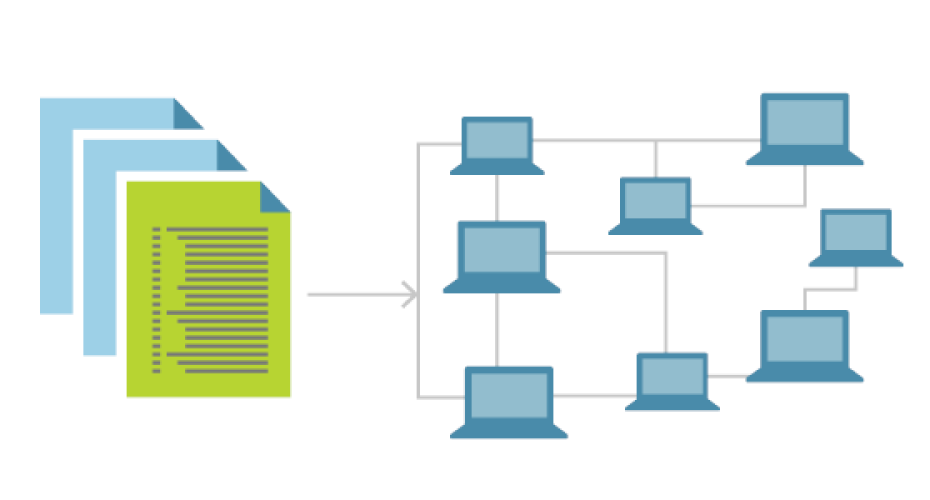
Infrastructure as Code (IaC) enables developers to define and manage infrastructure using code-based configuration files. This approach offers significant advantages in terms of scalability and consistency. With IaC, infrastructure provisioning, and scaling can be automated, allowing organizations to quickly adapt to changing workload demands. Additionally, IaC ensures that infrastructure configurations are version-controlled, making it easier to replicate and reproduce environments accurately, reducing configuration drift, and improving consistency across different stages of development and deployment.
IaC provides a reliable and reproducible way to create and manage infrastructure. By treating infrastructure as code, organizations can recreate production-like environments for testing, staging, and development purposes accurately. This reproducibility reduces the risk of environment-related issues, as configurations can be shared, reviewed, and tested. Moreover, by applying version control practices to infrastructure code, organizations can easily roll back changes if issues arise, improving the overall resilience and stability of the software ecosystem.
IaC promotes collaboration and agility within DevOps teams. Infrastructure configurations become transparent, easily accessible, and shareable across the team. This facilitates collaboration between developers, operations engineers, and other stakeholders involved in the software development process. With IaC, teams can make infrastructure changes rapidly, test them in a controlled manner, and roll them out efficiently. This agility allows organizations to respond quickly to market demands, experiment with new features, and adapt to evolving business requirements.
Improved Release Management and Rollbacks
DevOps practices, such as automated testing, infrastructure as code, and deployment pipelines, ensure controlled and reliable software deployments. With standardized processes and automated checks, organizations can reduce the risk of errors and inconsistencies during the deployment phase. DevOps teams can define specific release strategies, such as blue-green deployments or canary releases, to gradually roll out changes and mitigate potential issues. This controlled release management approach minimizes disruptions to end-users and provides a safety net for efficient rollbacks if necessary.
DevOps focuses on reducing downtime and maximizing system availability. By automating deployment processes and implementing robust monitoring and alerting systems, organizations can quickly detect issues and respond proactively. If a problem arises, DevOps teams can swiftly roll back to a previous version or implement fixes without significant disruptions. The ability to recover quickly from failures ensures minimal downtime, enhances user satisfaction, and maintains the integrity of critical systems.
DevOps enables organizations to embrace experimentation and A/B testing methodologies. With the ability to deploy changes rapidly and consistently, teams can test different variations of features or user experiences in real time. By collecting data and analyzing user feedback, organizations can make informed decisions based on actual usage patterns and user preferences. A/B testing allows for data-driven development, ensuring that software features are optimized for maximum impact, conversion rates, and user satisfaction.
DevOps and Security
DevOps embraces a “shift-left” approach to security, integrating security practices and considerations throughout the software development lifecycle. By involving security experts early on, organizations can identify and address potential vulnerabilities and risks at the code level. Static code analysis, automated security testing, and code reviews help detect security flaws before they are deployed to production. This proactive approach minimizes the likelihood of security breaches and reduces the time and cost required to remediate vulnerabilities later in the development process.

DevOps emphasizes continuous security monitoring to ensure the ongoing protection of software systems. By implementing robust security measures, such as intrusion detection systems, log analysis, and vulnerability scanning, organizations can detect and respond to security threats in real time. Continuous monitoring provides visibility into system behavior and allows for timely incident response and mitigation. DevOps teams work collaboratively to address security issues promptly, protecting sensitive data, and maintaining the trust of users and stakeholders.
DevOps practices support compliance and auditing requirements for software systems. By automating infrastructure provisioning and configuration, organizations can maintain consistent and auditable environments. Infrastructure as Code enables documentation and version control of infrastructure configurations, facilitating compliance with industry standards and regulatory requirements. Moreover, the ability to track changes and maintain an audit trail simplifies the process of demonstrating compliance during audits or regulatory reviews.
Concluding
DevOps has become an integral part of modern software development due to its ability to accelerate efficiency, collaboration, and innovation. By bridging the gap between development and operations, implementing CI/CD practices, adopting Infrastructure as Code, emphasizing monitoring and feedback loops, improving release management and rollbacks, and integrating security practices, DevOps enables organizations to deliver high-quality software with speed, reliability, and security. Embracing DevOps principles empowers teams to adapt to the dynamic software development landscape, meet customer expectations, and drive business success.
RIVO AGENCY is a standout software development company renowned for its excellence in delivering innovative solutions and driving digital transformation. With a strong focus on customer satisfaction, RIVO AGENCY consistently exceeds expectations by providing top-notch software development services tailored to meet specific client needs. The company’s team of highly skilled and experienced developers, designers, and engineers is adept at leveraging cutting-edge technologies to develop robust and scalable software solutions. RIVO AGENCY’s commitment to quality, coupled with its agile and collaborative approach, ensures seamless communication, efficient project management, and timely delivery. Their track record of successful projects and a growing portfolio of satisfied clients attest to RIVO AGENCY’s reputation as a great software development company.

Don't want to miss anything?
Get weekly updates on the newest design stories, case studies and tips right in your mailbox.
