

Component Organization

When developing React applications, organizing components efficiently is crucial. Group related components together, and adhere to a consistent folder structure. Consider using a feature-based organization to encapsulate all related components, styles, and utilities under one folder. This makes it easier to locate and maintain code as the project grows.
Single Responsibility Principle (SRP)
Adhering to the Single Responsibility Principle is essential for writing maintainable React components. Each component should have a single responsibility, meaning it should focus on doing one thing and doing it well. This practice makes the components more reusable and easier to understand, leading to better code maintainability.
DRY (Don't Repeat Yourself)
Avoid duplicating code by applying the DRY principle. Extract reusable logic into custom hooks, utility functions, or higher-order components. By doing so, you can reduce redundancy, keep your codebase concise, and make it easier to maintain and update shared functionality.
State Management
When it comes to state management, prefer using stateful components sparingly. Instead, opt for state management libraries like Redux or React’s built-in Context API for managing complex state across the application. Keeping state logic separate from presentation components enhances code maintainability and scalability.
PropTypes and TypeScript

Type-checking your React components can prevent bugs and errors during development. Use PropTypes (for JavaScript) or TypeScript (for TypeScript users) to define the expected types of props your components receive. This practice provides clarity about the data flow and helps catch potential issues early on.
Functional Components and React Hooks
Functional components and React Hooks have become the standard for writing React components. Embrace functional components for their simplicity and readability. Use Hooks like useState, useEffect, and useContext to manage component state and lifecycle events. Avoid using class components unless necessary, as functional components offer better performance and are more future-proof.
React Fragments
React Fragments allow you to group multiple elements without introducing extra DOM nodes. They are particularly useful when rendering lists or conditional components. By using Fragments, you can keep your JSX clean and reduce clutter in the DOM.
Optimize Rendering with shouldComponentUpdate or React.memo
To optimize rendering performance, consider using shouldComponentUpdate (for class components) or React.memo (for functional components) to prevent unnecessary re-renders. These methods help control when a component should update, avoiding unnecessary rendering cycles and improving overall application performance.
Code Splitting and Lazy Loading
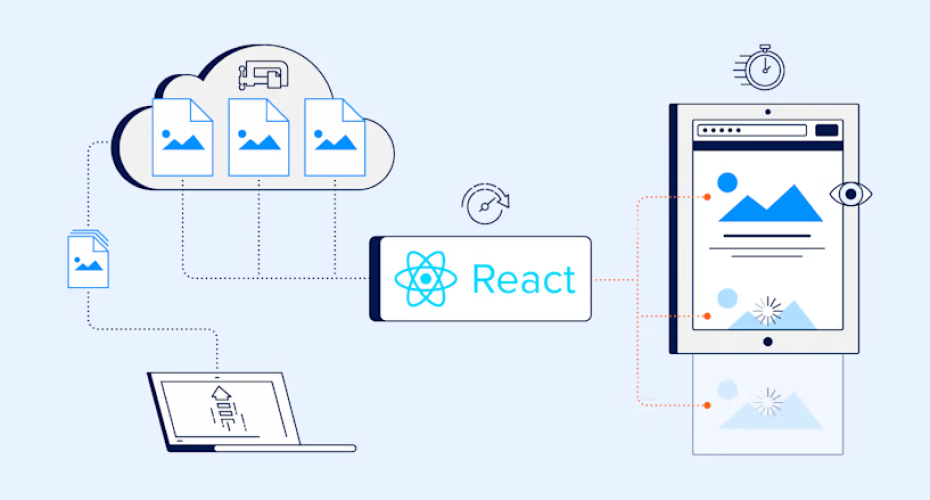
For large React applications, code splitting and lazy loading are essential techniques to improve initial loading times. Split your code into smaller chunks, and load them on-demand when users access specific routes or features. This technique can significantly enhance the user experience and reduce the initial loading time of your application.
Error Handling and Logging
Put in place reliable logging and error handling procedures in your React application. Use tools like Sentry or custom error boundaries to catch and log errors that may occur during runtime. Proper error handling helps you identify and fix issues quickly, ensuring a smoother user experience.
ESLint and Prettier Integration
Enforce code consistency and style guidelines by integrating ESLint and Prettier into your development workflow. These tools help identify and fix code issues, enforce coding standards, and keep the codebase consistent across the team. You can use popular configurations like Airbnb or StandardJS to get started quickly.
Testing and Test-Driven Development (TDD)
Invest in writing comprehensive unit tests for your React components. Test-Driven Development (TDD) can be an effective approach to ensure code quality and maintainability. Use testing libraries like Jest and testing utilities like React Testing Library to create robust test suites that validate your components’ functionality.
Performance Optimization

Pay attention to performance optimization techniques to ensure your React application remains responsive and fast. Techniques like memoization, lazy loading images, and optimizing heavy rendering operations can significantly improve the application’s performance, especially on low-end devices or slower networks.
Accessibility (a11y) Compliance
Make your React application accessible to all users, including those with disabilities. Adhere to Web Content Accessibility Guidelines (WCAG) and use ARIA attributes to enhance accessibility. Tools like axe-core and Lighthouse can help you identify accessibility issues in your application and guide you in fixing them.
Use React DevTools
Take advantage of React DevTools to inspect and debug your React components easily. DevTools provide insights into the component hierarchy, state changes, and props, helping you identify potential issues during development.
Keep Dependencies Up-to-date
Regularly update your project dependencies, including React and other third-party libraries. Keeping dependencies up-to-date ensures you have access to the latest features, bug fixes, and security patches, improving the stability and maintainability of your application.
Document Your Code

Documenting your React components and application architecture is essential, especially when working in a team. Use tools like JSDoc or React-styleguidist to create clear and comprehensive documentation for your components. This documentation acts as a reference for other developers and can significantly aid in maintaining and understanding the codebase.
Version Control and Branching Strategy
Use version control systems like Git and establish a clear branching strategy to manage changes effectively. Adhering to a proper Git workflow ensures that your team can collaborate efficiently, and you can revert to previous versions in case of unexpected issues.
Concluding
By incorporating these additional best practices into your React development process, you can significantly improve the maintainability, performance, and overall quality of your React applications. Strive for clean, well-structured code and embrace the React ecosystem’s best tools and practices to build robust, maintainable, and delightful user experiences. Happy coding!

Don't want to miss anything?
Get weekly updates on the newest design stories, case studies and tips right in your mailbox.
