
Waterfall Methodology: The Traditional Approach
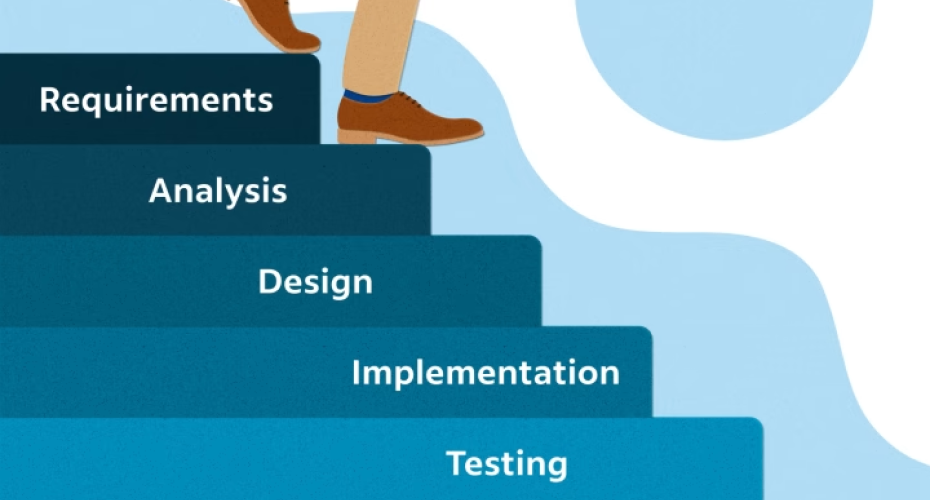
The Waterfall methodology is a sequential, linear project management framework that follows a top-down approach. It is often referred to as the traditional or phased approach, as it has been widely used for decades. The Waterfall model consists of distinct phases, including requirements gathering, design, implementation, testing, and deployment. Each phase is completed in a sequential manner, with little to no room for iteration.
The Waterfall methodology provides a clear structure and emphasizes thorough planning upfront. This makes it particularly suitable for projects with well-defined requirements and stable environments. It is often favored for projects with fixed budgets and timelines, as it allows for precise estimation and resource allocation. Additionally, the Waterfall model is well-suited for projects with a hierarchical management structure, as it provides clear roles and responsibilities.
However, the Waterfall methodology has its drawbacks. Its linear nature makes it challenging to accommodate changes or adapt to evolving requirements. Once a phase is completed, it’s difficult to backtrack and make modifications without significant time and cost implications. This can be problematic, especially in dynamic environments or projects with uncertain requirements. The lack of customer involvement until the final stages can also lead to a misalignment between the final product and customer expectations.
Agile Methodology: Embracing Flexibility and Collaboration

The Agile methodology emerged as a response to the limitations of the Waterfall approach. It emphasizes flexibility, collaboration, and iterative development. Agile is an umbrella term encompassing various frameworks, such as Scrum, Kanban, and Lean, each with its own specific practices and principles. However, they all share a common goal: delivering value to the customer in short iterations or sprints.
One of the core principles of Agile is the ability to adapt to change. Agile projects are typically divided into short iterations, usually lasting from one to four weeks, during which the development team collaborates closely with stakeholders. This iterative approach allows for frequent feedback, continuous improvement, and the ability to adjust the project’s direction based on changing requirements or market conditions.
The Agile methodology places a strong emphasis on self-organizing, cross-functional teams. This enables faster decision-making, effective communication, and a higher degree of transparency. Agile also encourages a customer-centric approach, involving customers or end-users throughout the development process. This ensures that the final product meets their needs and expectations, reducing the risk of misalignment.
However, Agile is not without its challenges. The emphasis on flexibility and adaptation can make it difficult to provide accurate time and cost estimates upfront. Agile projects require active participation from stakeholders and a high level of collaboration, which may not always be feasible in some organizations or projects. Furthermore, the iterative nature of Agile can sometimes result in scope creep or feature creep if not managed effectively.
Choosing the Right Methodology: Considerations and Factors
When choosing between Agile and Waterfall for your software project, it’s essential to consider several factors:
- Project Requirements: If your requirements are well-defined and unlikely to change significantly, the Waterfall methodology might be a suitable choice. On the other hand, if your project involves evolving requirements or a high degree of uncertainty, Agile can offer more flexibility.
- Project Size and Complexity: Agile methodologies are often more effective for smaller, more manageable projects. For large-scale, complex projects, Waterfall can provide a more structured approach and better resource allocation.
- Customer Involvement: If customer collaboration is crucial for your project’s success, Agile’s iterative nature and frequent feedback loops make it the preferred choice. If customer involvement is minimal or limited, Waterfall can still be viable.
- Team Skills and Experience: Consider the skills and experience of your development team. Agile requires self-organizing, cross-functional teams capable of embracing change and collaboration. Waterfall may be a better fit for teams that thrive in a hierarchical, structured environment.
- Organizational Culture: Take into account your organization’s culture and readiness for change. Implementing Agile methodologies often requires a shift in mindset and culture, while Waterfall aligns more naturally with traditional, hierarchical structures.
- Time and Budget Constraints: If you have fixed timelines and budgets, Waterfall’s upfront planning and estimation can provide more predictability. Agile’s adaptive nature can lead to better outcomes but may require more flexibility in terms of time and budget.
Concluding
Choosing the right methodology for your software project is a critical decision that can significantly impact its success. Both Agile and Waterfall methodologies have their strengths and weaknesses, and there is no one-size-fits-all approach. Consider your project’s specific requirements, team dynamics, organizational culture, and other relevant factors to make an informed choice.
Remember, Agile and Waterfall are not mutually exclusive. Hybrid approaches, such as Agile-Waterfall or Lean-Agile, can also be considered to tailor the methodology to your project’s unique needs. Ultimately, the key is to choose a methodology that best aligns with your project’s characteristics and maximizes the chances of delivering a successful software solution.

Don't want to miss anything?
Get weekly updates on the newest design stories, case studies and tips right in your mailbox.
