

Define Clear Roles and Responsibilities

To lay the foundation for a successful team, it’s crucial to establish clear roles and responsibilities for each team member. Define job titles, areas of expertise, and specific tasks assigned to individuals. This clarity eliminates ambiguity, improves accountability, and ensures everyone understands their contributions to the project’s success.
Cultivate a Collaborative Culture
Promoting a culture of collaboration is vital to building a cohesive software development team. Foster an environment where team members feel comfortable sharing ideas, knowledge, and feedback. Encourage open communication channels, both formal and informal, to facilitate brainstorming sessions, code reviews, and regular progress updates.
Emphasize Skill Diversity

A successful software development team should encompass a diverse set of skills and expertise. Consider assembling a team with individuals who possess a mix of technical proficiencies, such as programming languages, database management, user interface design, and quality assurance. Diverse skills enable the team to tackle various challenges efficiently and foster a culture of continuous learning.
Foster Continuous Learning
Encourage continuous learning within your team. The field of software development is constantly evolving, and it’s important to stay up-to-date with the latest technologies and best practices. Invest in training programs, provide access to relevant resources, and organize knowledge-sharing sessions. By nurturing a learning culture, you empower your team members to enhance their skills and contribute to the overall growth of the team.
Promote Effective Communication
Communication is the lifeblood of any successful team. Establish regular team meetings to discuss progress, challenges, and upcoming tasks. Utilize collaboration tools and project management software to facilitate communication and track project milestones. Encourage active listening, respect diverse opinions, and resolve conflicts promptly to maintain a healthy team dynamic.
Encourage Agile Practices
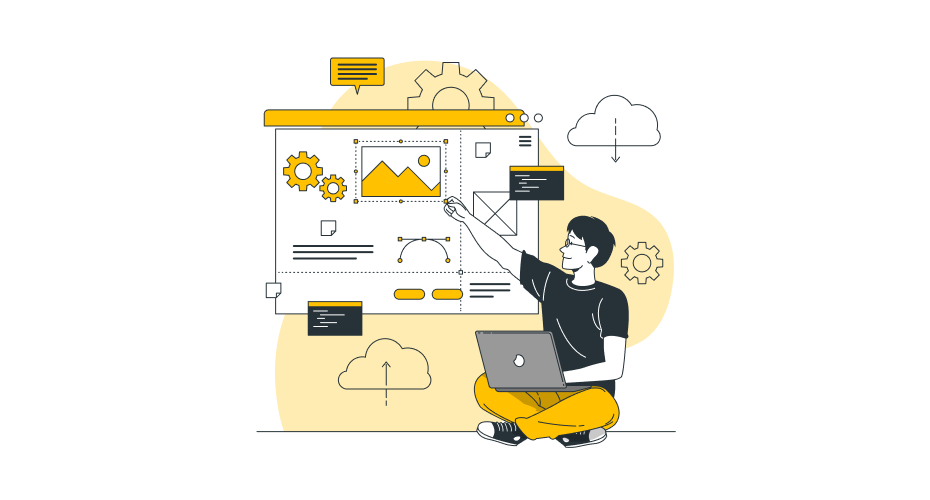
Adopting agile methodologies, such as Scrum or Kanban, can greatly enhance the efficiency and productivity of a software development team. These frameworks promote iterative development, frequent feedback cycles, and adaptability to changing requirements. Embracing agile practices fosters transparency, empowers the team to self-organize, and facilitates rapid delivery of high-quality software.
Provide a Supportive Work Environment
A positive and supportive work environment is vital for team morale and motivation. Foster a culture that recognizes and appreciates team members’ efforts and achievements. Provide the necessary resources and tools required for their work. Additionally, prioritize work-life balance, offer opportunities for personal growth, and encourage a healthy work culture that promotes well-being.
Encourage Innovation and Creativity
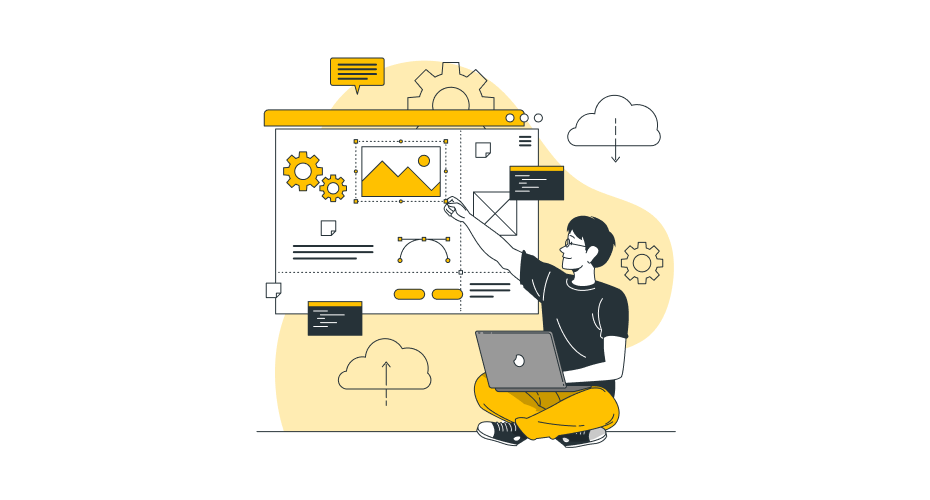
Software development thrives on innovation and creative problem-solving. Encourage team members to think outside the box, explore new ideas, and challenge conventional thinking. Provide a safe space for experimentation, where failures are seen as learning opportunities. Celebrate successes and encourage continuous improvement to foster a culture of innovation.
Foster a Growth Mindset
Promoting a growth mindset within your software development team is instrumental in unlocking their full potential. Encourage team members to embrace challenges, persist in the face of setbacks, and view failures as opportunities for growth. Provide regular feedback and constructive criticism to facilitate continuous improvement. Foster an environment where learning from mistakes is valued and innovation is encouraged. By cultivating a growth mindset, you empower your team to overcome obstacles and consistently push the boundaries of their capabilities.
Establish Effective Team Structures

Creating effective team structures is key to maximizing productivity and efficiency. Consider implementing cross-functional teams that bring together individuals with complementary skill sets. This allows for seamless collaboration, efficient problem-solving, and improved decision-making. Additionally, establish clear team hierarchies and reporting structures to provide clarity on accountability and project ownership. Well-defined team structures ensure streamlined workflows, effective resource allocation, and enable teams to adapt to evolving project requirements.
Foster a Growth Mindset (Extended)
In order to foster a growth mindset within your software development team, it’s crucial to provide ongoing support and resources for professional development. Encourage team members to attend relevant conferences, workshops, and training sessions. Additionally, establish mentorship programs where experienced team members can guide and mentor junior developers. Create opportunities for cross-team collaboration and knowledge-sharing, such as hackathons or tech talks. By investing in their growth, you cultivate a motivated and skilled team that continually strives for excellence.
Establish Effective Team Structures (Extended)
To establish effective team structures, consider implementing agile practices such as self-organizing teams. Empower your team members to make decisions collectively, delegate tasks, and take ownership of their work. This promotes a sense of ownership and accountability, leading to increased productivity and motivation. Additionally, encourage regular team retrospectives to reflect on what is working well and identify areas for improvement. Adjust team structures as needed to ensure optimal collaboration and efficient workflows. By establishing effective team structures, you lay the groundwork for a cohesive and high-performing software development team.
Concluding
Building a successful software development team requires careful planning, clear communication, and a supportive work environment. By defining roles, encouraging collaboration, embracing diversity, and fostering continuous learning, you can create a team that consistently delivers exceptional software solutions. Remember, a well-built team is the driving force behind successful projects, and investing in team development is an investment in the future success of your organization.

Don't want to miss anything?
Get weekly updates on the newest design stories, case studies and tips right in your mailbox.
