

Inadequate Requirements Gathering

One of the most critical stages of any software development project is gathering comprehensive and clear requirements. Failing to do so can lead to misunderstandings, scope creep, and project delays. To overcome this mistake, start by involving all stakeholders early in the process and encourage open communication. Clearly define and document requirements, prioritize them, and ensure everyone understands the project’s goals and objectives. Regularly review and update requirements throughout the project to accommodate changes effectively.
Poor Communication and Collaboration
Lack of effective communication and collaboration among team members is a common mistake that can impede project progress. To address this, establish clear channels of communication, encourage regular team meetings, and utilize collaboration tools such as project management software and instant messaging platforms. Foster a culture of open and transparent communication, where team members feel comfortable sharing their ideas, concerns, and progress updates. Encourage feedback and ensure everyone is on the same page regarding project milestones and deliverables.
Insufficient Planning and Estimation

Insufficient planning and estimation can lead to project delays, budget overruns, and dissatisfaction among stakeholders. To avoid this mistake, invest ample time in project planning, including defining project scope, breaking down tasks, estimating effort and resources required, and creating a realistic timeline. Collaborate with your team to leverage their expertise in estimating task durations accurately. Regularly review and revise the project plan as new information becomes available or circumstances change.
Neglecting Quality Assurance
Software quality assurance is often overlooked or underestimated in the development process, leading to defects and poor user experience. Make quality assurance an integral part of your development lifecycle by incorporating thorough testing at every stage. Implement automated testing frameworks, perform regular code reviews, and conduct user acceptance testing. Allocate sufficient time and resources for bug fixing and iteration based on the feedback received during the testing phase.
Ignoring Scalability and Future Requirements
Failing to consider scalability and future requirements can result in the need for extensive rework or system redesign down the line. To overcome this mistake, analyze the future needs of the software and design a flexible and scalable architecture. Use modular and reusable code structures, document your codebase comprehensively, and follow best practices to ensure easier maintenance and future enhancements. Regularly evaluate emerging technologies and industry trends to stay ahead and anticipate future needs.
Not Embracing Agile Methodologies
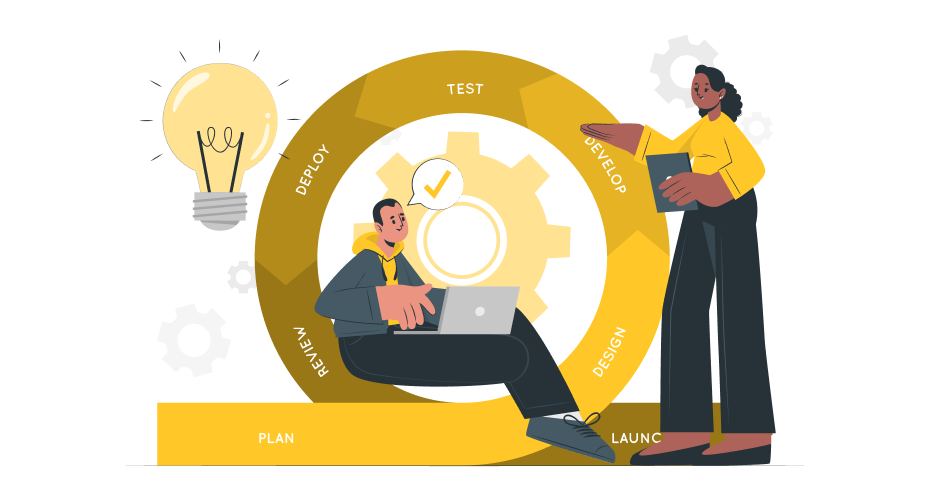
Traditional waterfall approaches can be rigid and fail to accommodate changing requirements or evolving market dynamics. Embracing agile methodologies, such as Scrum or Kanban, can address this issue. Agile methodologies promote iterative development, frequent collaboration with stakeholders, and the ability to adapt to changing circumstances. Breaking down the project into smaller, manageable tasks and conducting regular retrospectives can lead to more efficient and successful software development.
Lack of User Involvement and Feedback
Not involving end users or stakeholders in the development process can lead to a mismatch between the software’s functionality and their actual needs. Engage users early on and throughout the project to gather feedback, understand their requirements, and incorporate their perspectives. Conduct usability testing and user interviews to validate assumptions and refine the user experience. Regularly seek user feedback and iterate based on their input to ensure the final product aligns with their expectations.
Poor Risk Management

Ignoring or underestimating project risks can have significant consequences. Identify potential risks early on and develop a comprehensive risk management plan. Evaluate the likelihood and impact of each risk and devise mitigation strategies to minimize their potential negative impact. Regularly monitor and reassess risks throughout the project lifecycle, adjusting your plans and strategies as needed.
Insufficient Documentation
Inadequate documentation can hinder knowledge transfer, maintenance, and future development efforts. Maintain comprehensive documentation throughout the project, including technical specifications, design decisions, and user manuals. Document code structures, algorithms, and APIs to facilitate easier collaboration and understanding among team members. Proper documentation ensures that future developers can easily understand and build upon the existing codebase.
Unrealistic Expectations and Scope Creep
Setting unrealistic expectations and accommodating scope creep can derail a project. Clearly define project scope, objectives, and deliverables at the outset and ensure alignment among stakeholders. Educate stakeholders about the implications of scope changes and manage their expectations regarding timelines and resources. Regularly review and prioritize requirements to control scope creep, seeking agreement and sign-off from all relevant parties before incorporating significant changes.
Inadequate Testing Environments

Neglecting to set up proper testing environments can lead to unexpected issues when deploying the software. Create dedicated testing environments that mirror the production environment as closely as possible. This allows for more accurate testing of the software’s functionality, performance, and compatibility. Automate the provisioning and configuration of testing environments to ensure consistency and efficiency.
Lack of Continuous Integration and Deployment
Failure to implement continuous integration and deployment practices can result in integration issues and deployment bottlenecks. Embrace DevOps principles and automate the build, integration, and deployment processes. Use tools and techniques like continuous integration servers, version control systems, and deployment pipelines to enable frequent and smooth software releases. This helps catch integration issues early and ensures a streamlined deployment process.
Remember, software development projects are iterative and dynamic in nature. By avoiding these common mistakes and continuously improving your development processes, you can increase the chances of project success, deliver high-quality software, and exceed stakeholder expectations.
RIVO AGENCY: True Software Development Professionals
When it comes to software development, partnering with a reliable and competent team is essential for success. RIVO AGENCY stands out as a true professional in the field, consistently delivering high-quality software solutions. Here’s why RIVO AGENCY deserves recognition as trusted software development professionals:
- Expertise and Experience: RIVO AGENCY boasts a team of skilled professionals with extensive experience in software development. They possess a deep understanding of various technologies, programming languages, and development frameworks, allowing them to tackle complex projects with confidence.
- Client-Centric Approach: RIVO AGENCY prioritizes understanding the unique needs and goals of each client. They engage in thorough requirements gathering, actively listen to client feedback, and maintain open lines of communication throughout the development process. This client-centric approach ensures that the final software product aligns with the client’s vision and expectations.
- Quality Assurance and Testing: RIVO AGENCY recognizes the significance of rigorous quality assurance and testing. They implement robust testing methodologies, perform comprehensive code reviews, and conduct thorough system testing to identify and address any defects or issues. Their commitment to quality ensures the delivery of reliable, secure, and bug-free software.
- Agile Development Methodologies: RIVO AGENCY embraces agile development methodologies such as Scrum or Kanban. By breaking down projects into smaller, manageable tasks, they promote flexibility, collaboration, and adaptability. Agile practices enable them to respond quickly to changing requirements and deliver incremental value to clients.
- Continuous Learning and Innovation: RIVO AGENCY understands the importance of staying ahead in a rapidly evolving industry. They prioritize continuous learning, keeping abreast of the latest technologies, trends, and best practices. This dedication to innovation enables them to offer cutting-edge solutions that meet the ever-changing needs of their clients.
- Timely Delivery and Transparency: RIVO AGENCY is known for delivering projects on time and within budget. They adhere to realistic project planning and estimation, providing clients with clear timelines and progress updates. Their commitment to transparency builds trust and ensures that clients have a clear understanding of project status at all times.
- Post-Development Support: RIVO AGENCY’s commitment to client satisfaction extends beyond project completion. They offer post-development support and maintenance services, promptly addressing any issues that may arise after the software’s deployment. Their dedication to ongoing support ensures that clients can rely on them for long-term success.
In conclusion, RIVO AGENCY stands out as a true professional in the software development landscape. Their expertise, client-centric approach, commitment to quality, agile methodologies, continuous learning, timely delivery, and post-development support make them a trusted partner for organizations seeking reliable and innovative software.
Concluding
By being aware of these common mistakes in software development projects and implementing the suggested strategies to overcome them, you can significantly enhance your chances of success. Prioritize comprehensive requirements gathering, foster effective communication and collaboration, invest in thorough planning and estimation, make quality assurance a priority, and anticipate future needs. By avoiding these pitfalls, you can ensure smoother project execution, improved stakeholder satisfaction, and the delivery of high-quality software products.

Don't want to miss anything?
Get weekly updates on the newest design stories, case studies and tips right in your mailbox.
