

1. Introduction to Testing React Applications

Why Testing Matters: Before we dive into the nitty-gritty, let’s emphasize the significance of testing within the software development lifecycle. Proper testing leads to early bug detection, smoother development cycles, reduced risks of regressions, and an enhanced user experience. By understanding these benefits, you’ll be poised to appreciate the vital role testing plays in crafting successful React applications.
Exploring Testing Types: Testing isn’t a monolithic concept. Rather, it’s a spectrum of methodologies that cater to various aspects of your application. We’ll take a closer look at the different types of testing, such as unit testing, integration testing, and end-to-end testing. This foundational understanding will set the stage for your journey into testing React applications.
2. Getting Started with Jest and Enzyme

As you embark on your testing journey, it’s crucial to set up your testing environment properly. Jest and Enzyme form a potent combination for testing React components, but their integration requires a well-orchestrated setup.
Installing the Tools: Let’s begin with the basics. We’ll walk you through the step-by-step process of installing Jest and Enzyme, ensuring you have the necessary packages to kickstart your testing endeavors. Whether you’re a fan of npm or prefer the elegance of yarn, we’ve got you covered.
Configuration and Structure: A solid foundation paves the way for success. Learn how to configure Jest to seamlessly work with your project, including integrating it with Babel for modern JavaScript goodness. Additionally, we’ll guide you through setting up Enzyme’s shallow rendering, a technique that facilitates efficient component testing.
3. Writing Unit Tests
Unit tests act as the bedrock of any comprehensive testing strategy. They zoom in on individual units of code, whether they’re components, utility functions, or isolated functionalities. For React applications, mastering unit testing is pivotal for ensuring the reliability of your user interface.
Creating Test Suites: Dive into the world of test suites and test cases. Understand how to structure your tests for optimal organization and efficiency. We’ll guide you through the process of setting up a test suite and demonstrate how to create individual test cases that target specific behaviors.
Harnessing Jest Matchers: The art of assertion is fundamental in testing. Discover the power of Jest’s built-in matchers, which allow you to assert on component behavior with precision and clarity. From simple comparisons to complex expectations, Jest matchers are your allies in crafting expressive and informative tests.
Snapshot Testing Unveiled: Visual regressions can sneak into your application silently. Snapshot testing comes to the rescue by capturing the expected output of components and detecting any unintended changes. Learn how to create and maintain snapshots, ensuring your UI remains consistent over time.
4. Testing Component Interactions
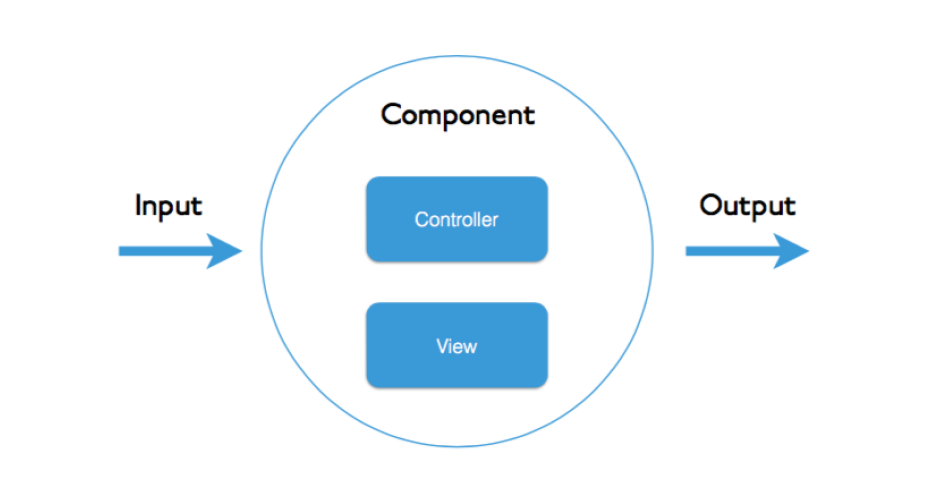
In the interconnected world of React components, interactions are paramount. Components communicate through events, state changes, and props, forming the building blocks of your application’s functionality. Ensuring seamless interactions requires a deep understanding of testing techniques.
Simulating User Events: Explore the art of simulating user interactions using Enzyme. From clicking buttons to typing into input fields, learn how to mimic user behavior in your tests. Uncover the mechanics of triggering events and asserting the resulting changes.
Unraveling State Changes: React’s state management is at the heart of your application’s dynamism. Delve into testing state changes within your components. Witness how you can manipulate and verify state transitions to ensure your application responds as expected.
Verifying Props and Interactions: Components often rely on props to communicate and collaborate. Discover strategies for testing the interactions between parent and child components. Ensure the correct passage of props and validate how components respond to varying input.
5. Asynchronous Testing
Modern web applications thrive on asynchronous operations. Whether it’s fetching data from an API or handling timeouts, mastering the art of testing asynchronous code is essential for maintaining the stability and responsiveness of your application.
Testing Async Functions: Asynchronous code introduces complexities in testing. Explore techniques for testing functions that involve asynchronous operations. Learn how to handle asynchronous callbacks, assertions, and expectations with finesse.
Async/Await Synergy: Dive into the world of `async/await` and witness how it transforms asynchronous testing into a more readable and elegant process. Discover how to orchestrate asynchronous operations, await promises, and ensure your tests are both expressive and comprehensible.
6. Integration Testing
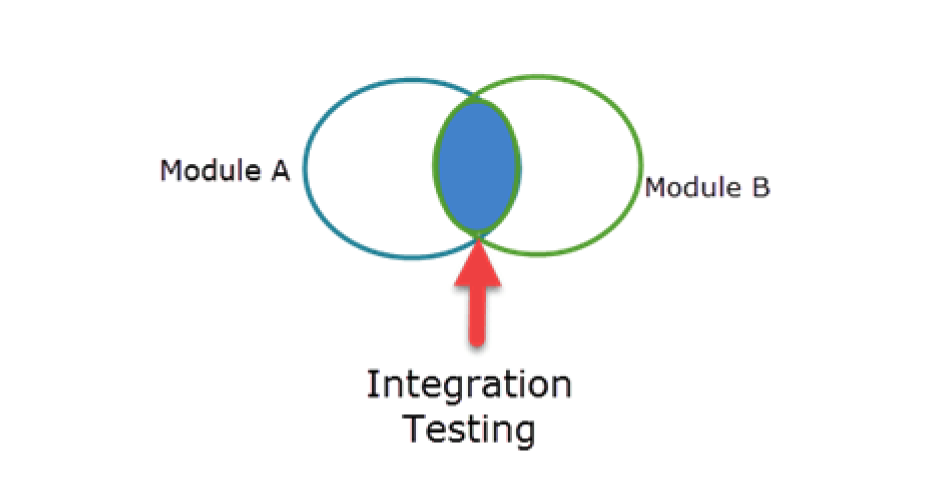
Beyond individual components lies the intricate dance of integration. Components collaborate to achieve higher-level functionalities, and integration tests ensure this symphony of cooperation remains harmonious and error-free.
Testing Component Collaboration: Learn the art of integration testing, where the interactions between multiple components are scrutinized. Discover how to create tests that reflect real-world scenarios, ensuring the seamless collaboration of different parts of your application.
Redux and Integration: React’s state management often extends to libraries like Redux. Dive into the realm of testing Redux-connected components. Uncover techniques for validating the interaction between components and the Redux store, ensuring your application’s state management remains solid.
7. Best Practices for Effective Testing
Writing tests is a craft that thrives on principles and practices. Ensuring your tests are maintainable, reliable, and scalable requires adherence to a set of best practices that stand the test of time.
Isolation and Independence: Explore the importance of keeping tests isolated and independent. Understand why each test should focus on a specific aspect of functionality, ensuring that changes in one area do not inadvertently impact other parts of your application.
Meaningful Test Names: The readability of your tests matters. Learn how to craft descriptive and meaningful test names that convey intent and context. Discover the art of self-documenting tests, making it easier for you and your team to understand the purpose and scope of each test case.
CI Integration: Testing doesn’t stop at your development machine. Explore the world of continuous integration (CI) and discover how to integrate testing into your automated build and deployment pipeline. Ensure that your tests are executed consistently and reliably as part of your development workflow.
Concluding
In the dynamic landscape of web development, testing is more than just a task—it’s a fundamental mindset. Adopting a robust testing strategy can significantly enhance your development process by catching issues early, maintaining code quality, and instilling confidence in your software.
As you embark on your journey of testing React applications with Jest and Enzyme, remember that every test you write contributes to the stability and reliability of your codebase. By embracing testing as an integral part of your development workflow, you’re setting the stage for the creation of high-quality React applications that deliver exceptional user experiences. Happy testing!

Don't want to miss anything?
Get weekly updates on the newest design stories, case studies and tips right in your mailbox.
