

Faster Time to Market

One of the primary advantages of CI/CD is the ability to significantly reduce the time it takes to bring new features and updates to market. By automating the build, test, and deployment processes, CI/CD enables developers to quickly identify and rectify issues, ensuring a rapid feedback loop. This allows organizations to release new software versions with greater frequency, ensuring that customer demands are met swiftly, and staying ahead of competitors in a dynamic market.
Early Bug Detection
CI/CD promotes a proactive approach to bug detection and prevention. By integrating code changes frequently and automatically running tests, developers can catch issues early in the development cycle. This early detection reduces the likelihood of critical bugs reaching production and minimizes the time and effort required for debugging. Additionally, with automated tests running continuously, regression bugs can be detected swiftly, ensuring the stability and reliability of the software.
Increased Collaboration and Transparency

CI/CD emphasizes collaboration among development teams, fostering a culture of transparency and shared responsibility. The continuous integration process encourages developers to merge their changes frequently, which leads to better visibility into the progress and code quality. This collaborative environment enables teams to address conflicts, provide timely feedback, and share knowledge effectively, resulting in improved overall productivity and a stronger sense of ownership.
Continuous Feedback and Improvement
CI/CD facilitates continuous feedback loops, enabling developers to receive immediate insights into the impact of their code changes. Automated tests provide valuable information about the quality, performance, and functionality of the software. Developers can quickly identify areas for improvement and iterate on their codebase, ensuring continuous enhancement of the application. This iterative approach encourages a culture of continuous improvement and fosters innovation within development teams.
Risk Mitigation
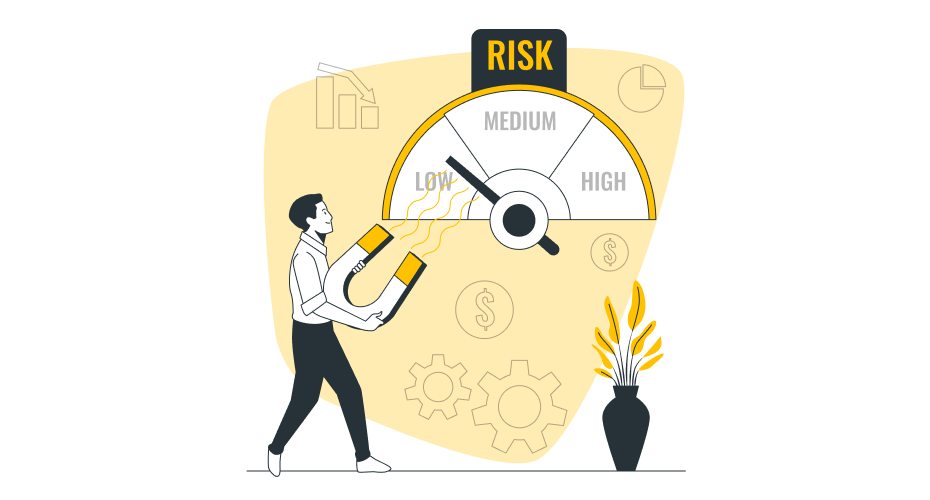
The use of CI/CD minimizes the risks associated with large-scale deployments and reduces the chances of catastrophic failures. By breaking down complex software deployments into smaller, manageable pieces, organizations can ensure that each change is thoroughly tested before being integrated into the main codebase. This incremental approach reduces the potential impact of any issues, making it easier to isolate and rectify problems quickly.
Scalability and Flexibility
CI/CD provides a solid foundation for scalable and flexible software development processes. With automated build and deployment pipelines, organizations can easily scale their development efforts and accommodate increased workloads. Furthermore, CI/CD frameworks are highly adaptable and can integrate with various tools and platforms, allowing teams to choose the best technologies for their specific needs and build customized workflows.
Concluding
Continuous Integration and Continuous Delivery (CI/CD) have revolutionized the software development industry by enabling faster delivery, higher quality, and improved collaboration. The benefits of CI/CD, such as faster time to market, early bug detection, increased collaboration, continuous feedback, risk mitigation, scalability, and flexibility, make it an essential practice for modern development teams. By adopting CI/CD, organizations can optimize their development processes, accelerate innovation, and stay competitive in an ever-evolving digital landscape.

Don't want to miss anything?
Get weekly updates on the newest design stories, case studies and tips right in your mailbox.
