

Cross-platform Compatibility
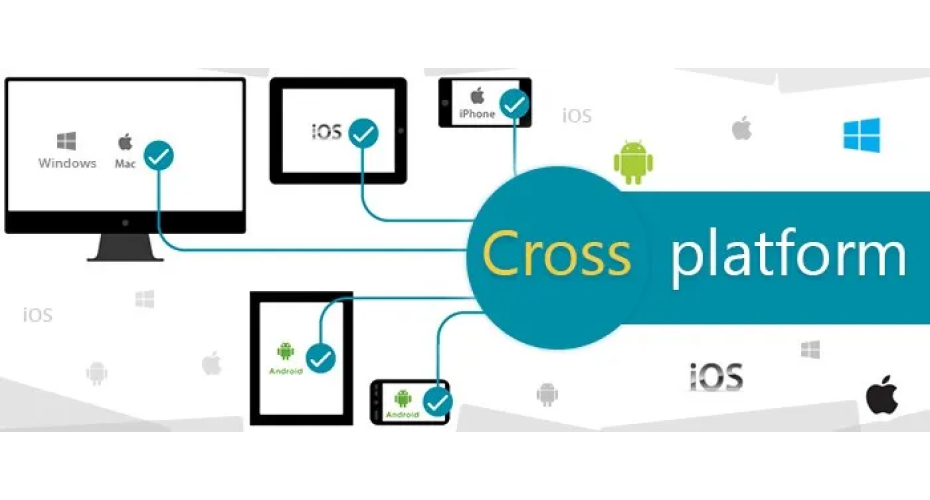
a) Efficient Code Reuse: React Native allows developers to write code once and use it across multiple platforms. This significantly reduces development time and effort, as there’s no need to build separate apps for iOS and Android from scratch. With a single codebase, developers can reach a broader audience and ensure a consistent user experience across platforms.
b) Simplified Maintenance: Maintaining multiple codebases for different platforms can be challenging and time-consuming. React Native simplifies the process by providing a unified codebase that can be easily updated and maintained. Any bug fixes or feature enhancements can be implemented once and applied to both iOS and Android platforms simultaneously, saving valuable development resources.
c) Faster Time to Market: Building apps with React Native allows businesses to launch their products faster. By leveraging a shared codebase, developers can focus on core features and functionality without the need for platform-specific development. This streamlined development approach reduces time-to-market and gives businesses a competitive edge by enabling them to reach users on multiple platforms swiftly.
Native-like Performance
a) Smooth User Experience: React Native’s architecture enables the app to interact directly with native components, resulting in a highly responsive and fluid user interface. By leveraging the device’s GPU (Graphics Processing Unit), React Native ensures smooth animations, transitions, and scrolling, enhancing the overall user experience.
b) Optimized Performance: React Native bridges the gap between native and hybrid app development by enabling the use of native modules. These modules allow developers to integrate specific platform functionalities and utilize native APIs directly, resulting in faster and more efficient execution. As a result, React Native apps exhibit better performance and responsiveness compared to traditional hybrid frameworks.
c) Reduced Load Time: React Native offers a lightweight runtime environment, which contributes to faster load times for mobile apps. By eliminating the need for heavy WebView components, React Native allows apps to launch quickly and reduces the waiting time for users. This improved performance not only enhances the user experience but also increases user engagement and satisfaction.
Faster Development Cycle

a) Real-Time Code Changes: React Native’s hot-reloading feature allows developers to see the changes made to the code in real time without recompiling the entire app. This instant feedback loop enables rapid iteration and accelerates the development process. Developers can quickly experiment, test new features, and fix issues on the fly, leading to shorter development cycles and faster delivery of updates.
b) Modular Architecture: React Native follows a modular approach, allowing developers to break down the app into reusable components. These components can be developed and tested independently, promoting code reusability and modular design principles. This modularity not only enhances development speed but also improves code maintainability and scalability as the app evolves.
c) Third-Party Libraries and Plugins: React Native has a vast ecosystem of third-party libraries and plugins, which significantly speeds up development. These pre-built components offer ready-to-use solutions for common app functionalities, such as navigation, forms, and push notifications. By leveraging these libraries, developers can save time and effort by avoiding the need to build everything from scratch, enabling them to focus on core app features and unique business requirements.
Cost-Effectiveness
a) Resource Optimization: With React Native, businesses can optimize their development resources by using a single codebase for multiple platforms. This eliminates the need for separate teams and reduces overhead costs associated with maintaining multiple development environments. The cost savings achieved through resource optimization can be redirected to other areas of the business or invested in further app enhancements.
b) Hiring and Skill Pool: React Native’s popularity has led to a significant increase in the number of skilled developers proficient in the framework. This abundance of talent makes it easier for businesses to find experienced React Native developers, reducing the time and cost involved in recruitment and training. Access to a larger skill pool also fosters healthy competition, which can lead to better quality work at competitive rates.
c) Faster Iterations and Updates: React Native’s streamlined development process and hot-reloading feature enable faster iterations and updates. This agility allows businesses to respond quickly to user feedback, market demands, and emerging trends. The ability to release frequent updates without significant overhead costs ensures that the app remains relevant and competitive in the ever-evolving mobile landscape.
Community and Ecosystem

a) Active Community Support: React Native boasts a vibrant and active community of developers, enthusiasts, and contributors. This community provides continuous support, shares knowledge, and actively addresses issues through forums, discussion groups, and open-source collaborations. Developers can leverage this support network to troubleshoot problems, seek guidance, and stay updated with the latest best practices, ensuring the success of their React Native projects.
b) Learning Resources: React Native’s popularity has resulted in an abundance of learning resources, including tutorials, documentation, video courses, and online communities. These resources make it easier for developers to acquire new skills, enhance their proficiency in React Native, and stay up-to-date with the latest advancements in the framework. The availability of comprehensive learning materials contributes to a shorter learning curve, enabling developers to quickly grasp React Native’s concepts and start building robust mobile apps.
c) Extensive Ecosystem: React Native benefits from a vast ecosystem of third-party libraries, plugins, and tools. This ecosystem provides developers with ready-to-use solutions for various functionalities, such as navigation, state management, and UI components. Leveraging these existing resources significantly reduces development time, as developers can integrate tested and proven solutions rather than building everything from scratch. The availability of an extensive ecosystem enhances productivity, promotes code reusability, and fosters collaboration within the React Native community.
Concluding
React Native’s cross-platform compatibility, native-like performance, faster development cycle, cost-effectiveness, and strong community support make it an attractive choice for mobile app development. The extensive coverage of each benefit illustrates the framework’s ability to streamline the development process, reduce costs, and deliver exceptional user experiences on multiple platforms. Embracing React Native empowers developers and businesses to create high-quality apps efficiently, positioning them for success in the competitive mobile app market. Whether you’re a seasoned developer or just starting, React Native’s advantages make it a powerful tool worth considering for your next mobile app project.

Don't want to miss anything?
Get weekly updates on the newest design stories, case studies and tips right in your mailbox.
