

Artificial intelligence and machine learning

AI and ML are transforming the way software is built, tested, and deployed. In 2023, we can expect to see even more innovative applications of these technologies. For example, AI-powered chatbots will become increasingly sophisticated and human-like, and ML algorithms will be able to identify patterns and insights from large data sets that would be impossible for humans to detect. Furthermore, AI and ML will enable the development of new types of applications, such as personalized medicine and predictive maintenance.
Low-code development
Low-code development is an emerging trend that allows non-technical users to build applications with little to no coding. This means that businesses can leverage the creativity of non-technical professionals, such as marketers and designers, to build software solutions. Low-code development also enables rapid prototyping and agile development, as applications can be built and iterated upon quickly. Additionally, low-code development platforms are becoming more sophisticated, with features like AI-assisted development and automated testing.
The rise of microservices

Microservices are a way of developing software applications as a suite of small, independently deployable services. This approach has several benefits, such as increased agility, scalability, and fault tolerance. In 2023, we can expect to see more organizations adopt microservices as their preferred software architecture. This will lead to the development of more modular and flexible applications, which can be easily updated and scaled. Additionally, we will see an increase in the use of containerization and serverless computing, which are closely related to microservices.
Cloud-native development
Cloud-native development is an approach to building and running applications that leverages cloud infrastructure and services. In 2023, we can expect to see more companies embrace cloud-native development, as it offers several advantages over traditional on-premise development. For example, cloud-native applications are more scalable, reliable, and cost-effective. Additionally, cloud-native development enables faster time-to-market, as developers can focus on building features rather than managing infrastructure. As a result, we will see an increase in the adoption of cloud-native tools and platforms, such as Kubernetes and AWS Lambda.
DevOps and automation
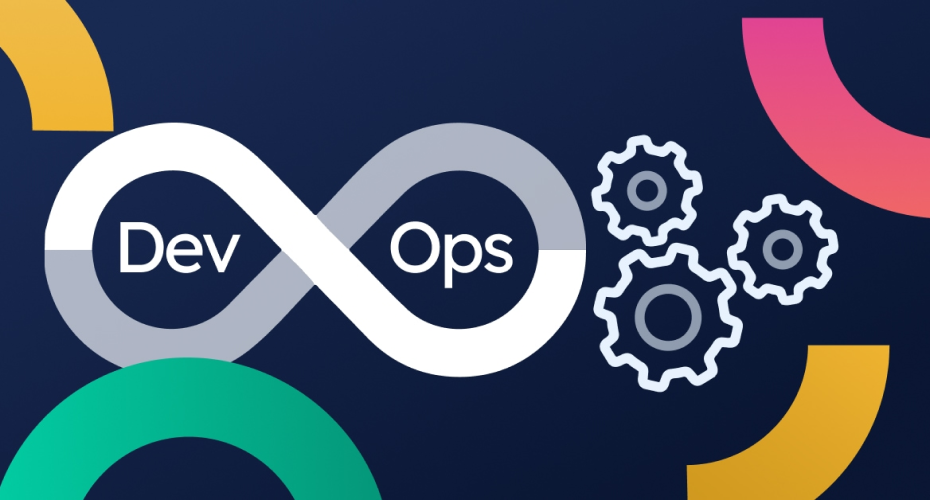
DevOps is a set of practices that combines software development and IT operations, with the goal of achieving faster and more reliable software delivery. Automation is a key component of DevOps, as it enables the continuous delivery of software with minimal manual intervention. In 2023, we can expect to see an increase in the use of automation tools and techniques in software development. This will lead to more efficient and reliable software delivery, as well as better collaboration between development and operations teams. Additionally, we will see an increase in the adoption of DevOps practices in non-IT industries, such as finance and healthcare.
Increased focus on security
With the increasing number of cyber-attacks and data breaches, security has become a top priority for software development teams. In 2023, we can expect to see an increased focus on security in software development, with more emphasis placed on building secure applications and implementing best practices for securing data. This will lead to the development of more secure software and better protection of sensitive data. Additionally, we will see an increase in the adoption of security automation tools, such as vulnerability scanners and intrusion detection systems, which will enable organizations to identify and mitigate security risks more effectively.
Quantum computing
Quantum computing is an emerging technology that promises to revolutionize software development by enabling the processing of vast amounts of data at incredible speeds. In 2023, we can expect to see more experimentation and development in the area of quantum computing, with a focus on building quantum applications and algorithms that can solve complex problems that are currently beyond the reach of classical computers.
Augmented and virtual reality
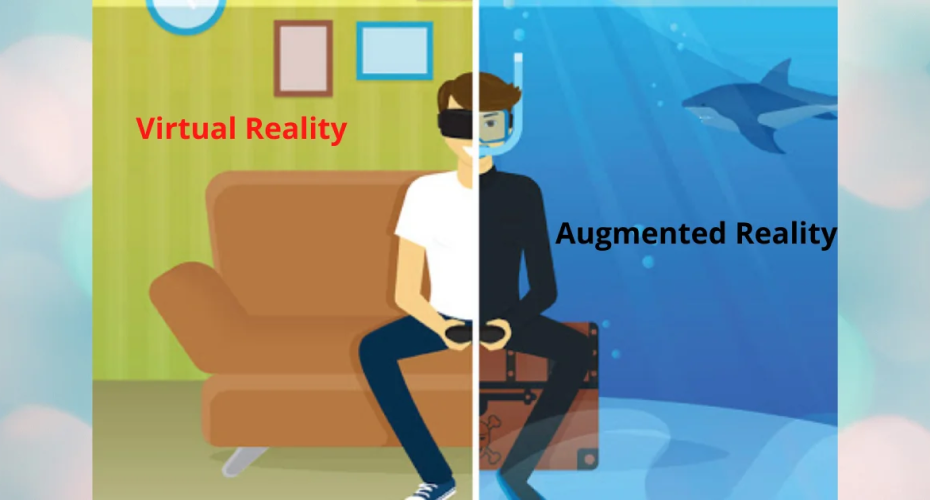
Augmented reality (AR) and virtual reality (VR) are technologies that are already transforming industries such as gaming, education, and healthcare. In 2023, we can expect to see more innovative applications of AR and VR in software development, such as the use of AR for remote collaboration and the use of VR for immersive training experiences. As AR and VR become more mainstream, we will also see more tools and platforms that enable developers to create AR and VR applications with ease.
Blockchain
Blockchain is a distributed ledger technology that provides a secure and transparent way of storing and sharing data. In 2023, we can expect to see more applications of blockchain in software development, such as the use of smart contracts for automated transactions and the use of blockchain for secure identity verification. As blockchain technology matures, we will also see more tools and platforms that enable developers to build blockchain applications with ease.
Progressive web apps
Progressive web apps (PWAs) are web applications that provide a native app-like experience on mobile devices. In 2023, we can expect to see more adoption of PWAs, as they offer several advantages over traditional mobile apps, such as faster load times, lower data usage, and better discoverability. Additionally, PWAs are platform-agnostic, which means they can be accessed on any device with a web browser.
Edge computing
Edge computing is a distributed computing paradigm that brings computing and data storage closer to the edge of the network, where devices and sensors are located. In 2023, we can expect to see more adoption of edge computing in software development, as it enables faster data processing and reduced latency. This will be particularly important in industries such as healthcare and manufacturing, where real-time data processing is critical.
Open source software

Open source software is software that is available to anyone to use, modify, and distribute freely. In 2023, we can expect to see more adoption of open-source software in software development, as it offers several advantages over proprietary software, such as lower costs, greater flexibility, and faster innovation. Additionally, open-source communities will continue to grow and evolve, leading to more collaboration and innovation in software development.
Innovative Solutions for Today's Business Challenges: RIVO AGENCY as Your Trendsetting Software Development Partner
RIVO AGENCY is not just another software development company – we are trendsetters. With a focus on innovation and cutting-edge technology, we create custom software solutions that are tailored to meet the specific needs of our clients. Our team of experts stays ahead of the curve by constantly researching and implementing the latest trends in software development. Partnering with RIVO AGENCY means having a reliable and innovative partner by your side, helping you achieve your business goals and outpace the competition.
Concluding
In conclusion, the future of software development is set to be shaped by a number of key trends in 2023. From artificial intelligence and machine learning to low-code development, microservices, cloud-native development, DevOps and automation, and increased focus on security, developers will need to keep up with these trends in order to remain competitive and deliver high-quality software.

Don't want to miss anything?
Get weekly updates on the newest design stories, case studies and tips right in your mailbox.
